Moving From NYC to the Suburbs: What You Need to Know
Lindsay Rothman September 30, 2026
Lindsay Rothman September 30, 2026
If you're thinking about moving from NYC to the suburbs, it's tempting to start by looking at houses.
Don't.
One of the biggest things I've learned from helping people make this move is that finding the right house is only part of the equation. First, you need to figure out what you actually want your life outside the city to look like.
Do you want to walk into town for coffee on Saturday morning? Do you picture a backyard and neighbors nearby, or several acres where you can barely see another house? How often will you commute? Do you want restaurants and shops five minutes away? Are you looking for a full-time home, a weekend escape, or something that can work as both?
The suburbs north of New York City are incredibly varied. Westchester, Putnam and Dutchess Counties can offer very different versions of suburban and Hudson Valley living, and even two towns a few miles apart can feel completely different.
That's why I encourage my clients to think about the move in this order:
Community. Lifestyle. Property.
The goal isn't simply to leave New York City. It's to figure out where you want to land.
A lot of buyers come to me with a list of towns they've heard about from friends, coworkers or other parents.
That's a useful starting point, but it shouldn't dictate your search.
Instead, I like to start with questions about how you actually live.
How often do you need to get into Manhattan? Is being able to walk to the train important, or are you comfortable driving to the station? Do you want a true village or downtown environment? How much privacy do you want? Do you envision spending weekends at restaurants and shops, or hiking, gardening and hanging around your property?
And then there are the practical questions. How much house do you want to maintain? Do you want a pool? Would you consider an older home? How do you feel about acreage? Are you comfortable with a well or septic system? Do you need a home office? Space for guests? A gym? A separate studio or outbuilding?
Your answers start to create a much better map than simply saying, "We heard we should look in Westchester."
This is one of the most important decisions in a suburban search, and there isn't a universally correct answer.
For someone commuting into Manhattan several days a week, proximity and train access may carry significantly more weight. For someone working remotely or going into the city occasionally, expanding the geographic search can open up entirely different properties and lifestyles.
That's where it becomes important to look beyond the idea of "the suburbs" as one place.
Westchester County borders New York City and ranges from more urban and village-centered communities in southern Westchester to river towns, Sound Shore communities and the more rural landscape of northern Westchester. Putnam County takes you farther into the Hudson Highlands, while Dutchess County offers everything from walkable cities and villages to considerably more rural areas.
Metro-North also extends through Westchester, Putnam and Dutchess Counties, so moving farther north doesn't necessarily mean giving up rail access to New York City.
The question is really: What are you willing to trade for what you gain?
For some buyers, being closer to Manhattan wins. For others, additional land, privacy, views, a different style of home or a more Hudson Valley-oriented lifestyle is worth going farther north.
I work throughout all three counties, and I don't believe in assuming that one is automatically better than another. They're different, and that's exactly why exploring them can be so useful.
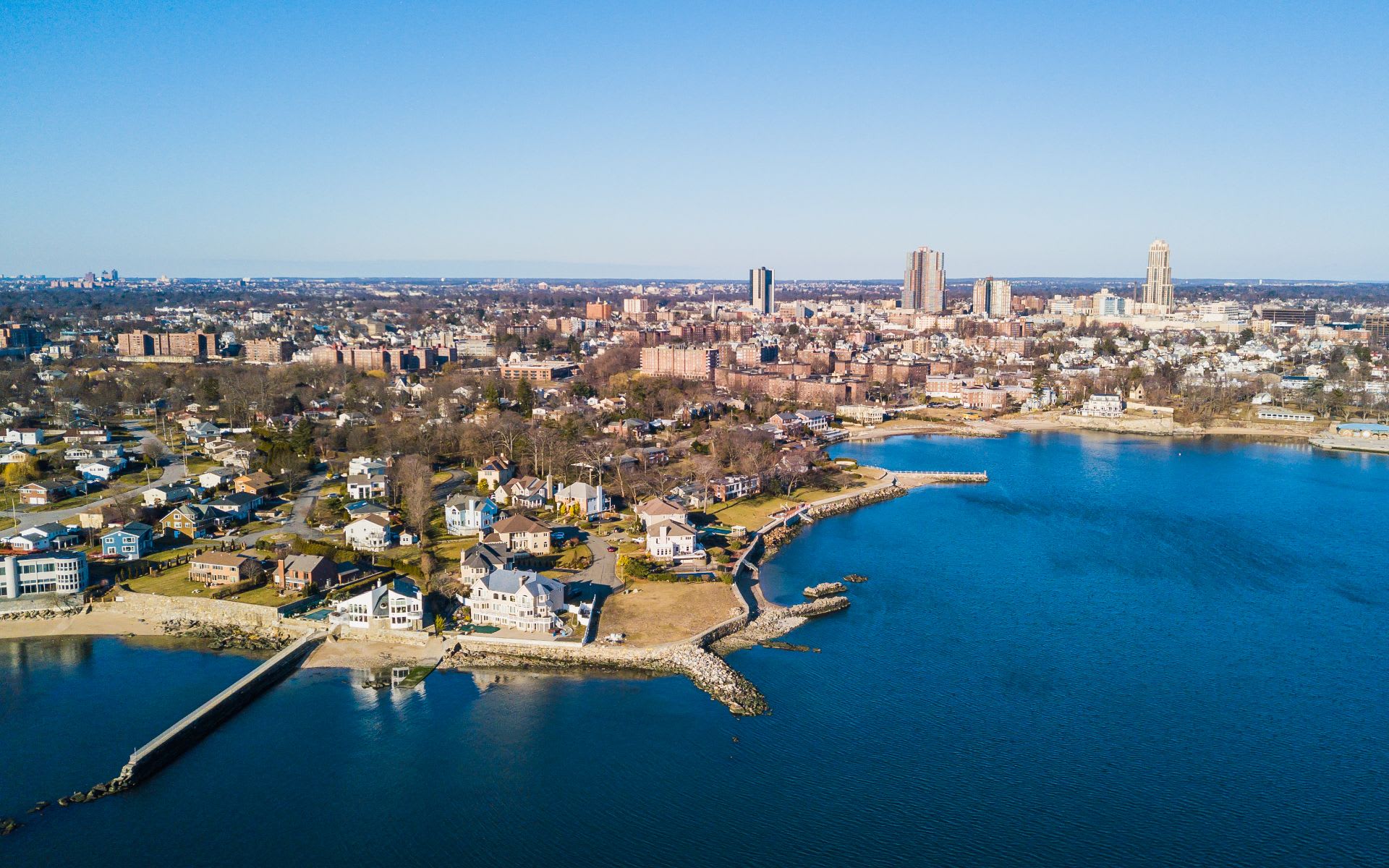
Westchester gives buyers an enormous range of environments within one county.
There are established southern Westchester communities, Hudson River towns, Sound Shore communities and more rural areas as you move north. Places like Bronxville can offer a very different experience from Bedford or Katonah, while communities along the Hudson create yet another lifestyle.
Northern Westchester, in particular, begins to feel much more country-oriented, with open space, trails, historic towns and areas known for horse farms and larger properties.
For buyers who want suburban living while maintaining relatively strong ties to New York City, Westchester is often an obvious place to begin exploring.

Continue north and the landscape begins to change.
Putnam County sits between the Hudson River and Connecticut and offers lakes, hiking, historic sites and a more outdoors-oriented environment. On the western side of the county, Cold Spring and Garrison sit along the Hudson and are served by Metro-North's Hudson Line.
Cold Spring is particularly interesting for buyers who love the idea of a walkable Main Street combined with immediate access to the Hudson Highlands. Garrison offers a very different experience, with a more rural, low-density feel.
But those are only two examples. Putnam includes communities with very different settings, housing stock and lifestyles.
For someone who initially assumed they had to stay in Westchester, Putnam can be worth exploring before drawing a hard geographic line.
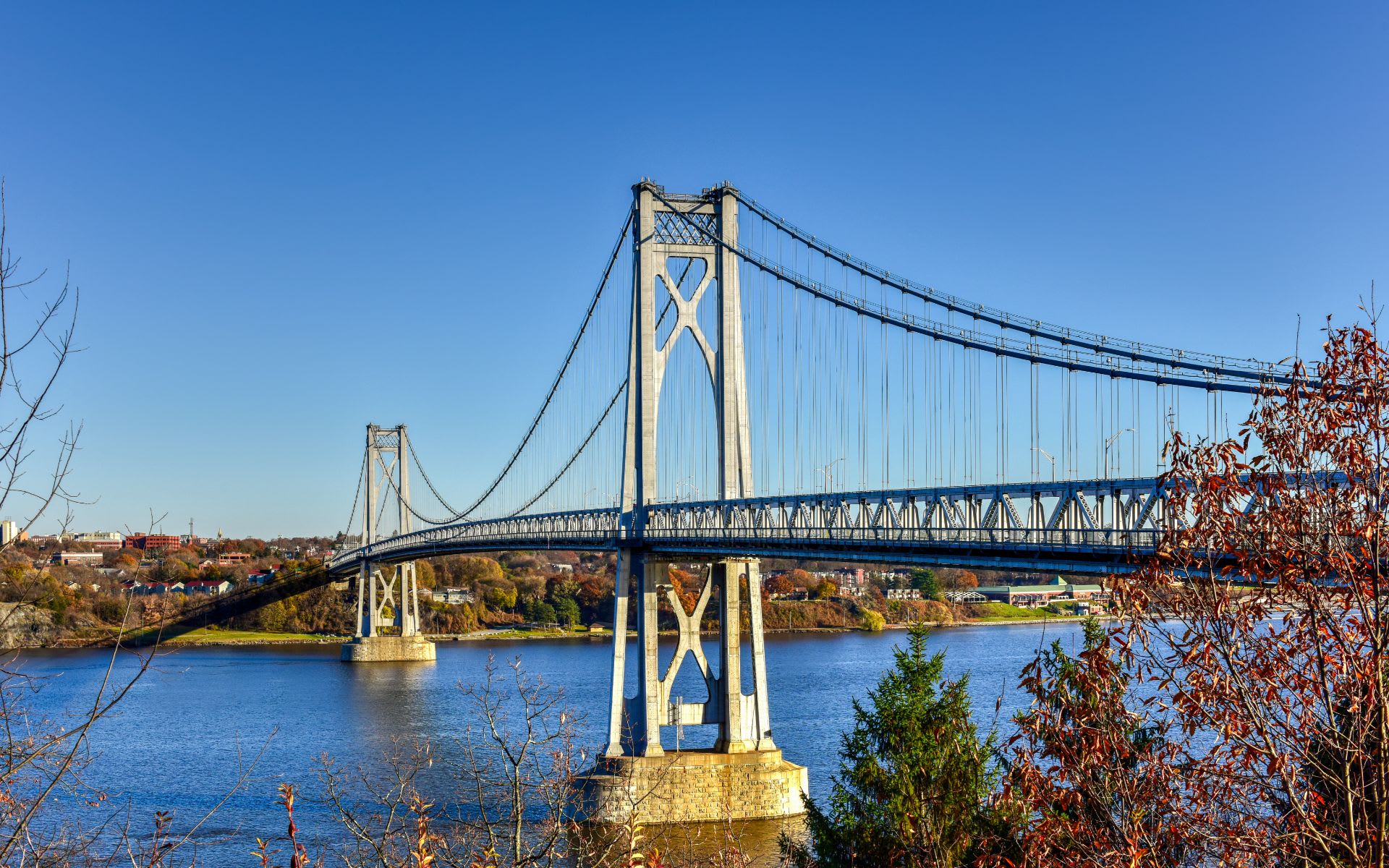
Dutchess expands the possibilities again.
Southern Dutchess includes Beacon, Fishkill, Wappingers Falls, Hopewell Junction and surrounding areas, while farther north you'll find communities such as Rhinebeck, Millbrook and Red Hook.
Beacon has developed a particularly recognizable identity around its walkable Main Street, restaurants, shops, arts scene and access to the Hudson River and surrounding outdoor recreation. It also has a Metro-North station on the Hudson Line.
Go farther into Dutchess and the experience changes considerably. You can find villages, farmland, country roads, historic properties and larger parcels of land. Rhinebeck and Millbrook don't feel like Beacon, and Beacon doesn't feel like Hopewell Junction.
That's an important point: don't choose a county and assume you've chosen a lifestyle.
You still have to find the community within it that works for you.
I see this happen all the time.
Someone starts a search convinced they need to be able to walk to town. Then they see a property with privacy and land and realize they're willing to drive ten minutes for coffee.
Or the opposite happens.
They imagine themselves on five acres until they experience what five acres actually feels like and realize they'd rather have a smaller property closer to restaurants, neighbors and a village.
That's why I don't think your first suburban wish list should be treated as permanent.
You don't yet know what you don't know.
Looking at properties is partly about finding a home, but early in the process it's also research. Every house and every town teaches you something about what matters to you.
Pay attention to what keeps changing on your list. That's usually where the real priorities begin to emerge.
If you're going to continue working in New York City, don't evaluate a commute based solely on how long the train ride appears to be.
Think door to door.
How are you getting to the station? Can you walk? Will you drive? What are the parking options? Which Metro-North line serves the community? How does the schedule work on the days and at the times you actually expect to travel?
Metro-North's Hudson, Harlem and New Haven lines serve communities north of New York City, and the Hudson Line continues through places including Garrison, Cold Spring, Beacon, New Hamburg and Poughkeepsie.
Your commuting pattern matters too. Going into Manhattan five days a week is a very different calculation from going in once or twice.
Before making an offer, I recommend testing the commute as realistically as possible. Don't just ask, "How far is this from Grand Central?" Ask, "What will a normal Tuesday morning actually look like for me?"
One of the great appeals of moving from NYC to the suburbs is often getting more space, both inside and outside.
But space has to be maintained.
Depending on the property and location, suburban buyers may encounter septic systems, wells, generators, pools, extensive landscaping, long driveways, older heating systems, outbuildings and larger amounts of land.
None of these things should automatically scare you away from a house. They simply need to be understood.
A beautiful pool is wonderful if you want a pool. Several acres can be incredible if you genuinely want land. A 100-year-old house can have character that new construction can't replicate.
But I want buyers to understand what they're buying, not just fall in love with the photographs.
Your inspection and due diligence become particularly important when you're purchasing a type of property you've never owned before.
Another reason I encourage NYC buyers to explore before narrowing their search too aggressively is that the same budget can translate very differently depending on location, property type, condition, acreage and proximity to transportation or a village center.
Instead of asking only, "What can I buy for my budget?" ask:
"Which combination of house, property, location and lifestyle gives me the most of what I actually care about?"
Maybe you want a beautifully finished house and are willing to sacrifice acreage.
Maybe you're comfortable renovating if it gets you an exceptional property.
Maybe being walkable to town is worth having less space.
Or perhaps privacy and land are the entire reason you're leaving the city.
There isn't a correct answer. There is only the combination that makes the most sense for you.
I get this question from people who are nervous about committing to a town they don't know well.
Renting first can make sense in certain circumstances, particularly if you're genuinely uncertain about where you want to live or need to make the move before you're ready to purchase.
But I don't believe everyone moving from NYC needs to rent in the suburbs before buying.
If you spend enough time exploring communities, understand your priorities and do the work before purchasing, you may feel comfortable buying without adding an interim move.
The important part is not whether you rent first.
It's whether you understand the place you're moving to.
This may be the most important advice I can give someone moving from NYC to the suburbs:
Don't only tour houses. Tour the life.
If you're considering a town, spend time there when you don't have a showing scheduled.
Get coffee. Have lunch. Walk around. Drive from the train station to the neighborhood you're considering. Find the grocery store. See what the roads feel like at night. Visit on a weekday and again on a weekend.
If you have children, think about where their activities might take you. If you love going out to dinner, look at the restaurant options. If hiking is part of the dream, see how easily you can actually get to the trails.
If your vision involves walking into town, park the car and do the walk.
You can learn a tremendous amount about a community by simply spending a few hours living there instead of looking at real estate there.
The biggest mistake isn't choosing the wrong house.
It's trying to choose the house too soon.
When someone tells me, "We want four bedrooms, a pool and an acre," that's useful information.
But I want to know more.
What do you want Saturday morning to look like?
Do you want to walk somewhere for breakfast? Wake up surrounded by woods? Have friends over around the pool? Take the kids to activities? Hike? Garden? Jump on a train back into Manhattan?
Those answers tell me much more about where we should be looking.
A house can be changed. Kitchens can be renovated. Rooms can be repurposed. Landscaping can evolve.
Location and lifestyle are much harder to change.
There is no single "best suburb of NYC."
There is the community that works best for you.
For one buyer, that's a walkable Westchester village with convenient access to Manhattan. For another, it's a house tucked into the landscape of northern Westchester. Someone else may fall in love with Cold Spring or Garrison in Putnam County. Another buyer may realize that Beacon, Rhinebeck or a country property elsewhere in Dutchess gives them the life they were actually picturing when they decided to leave the city.
I've spent years working with buyers and sellers throughout Westchester, Putnam and Dutchess Counties, and I've also personally bought, sold, rented and lived throughout the suburbs north of New York City.
That experience has reinforced something I believe strongly:
The right real estate decision isn't just about finding the right house. It's about finding the right place to live your life.
If you're thinking about moving from NYC to the suburbs but aren't sure where to begin, that's exactly where I can help. We can start with how you want to live, narrow down the communities that make sense, and then find the property that fits.
Thinking about making a move north of NYC? Let's to start exploring Westchester, Putnam and Dutchess Counties and find the community that feels right for you.
Lindsay Rothman | Compass Greater NY LLC
The Suburban Collective
914-500-3830
[email protected]
Instagram: @the.suburban.collective
Stay up to date on the latest real estate trends.
From Fortune-Tellers to Hidden Scissors: Exploring the History, Quirks, and Natural Beauty of 3 Big Lake Road"

Nestled in the picturesque town of Beacon, just a short drive from New York City.
Home design trends are constantly evolving, and as we step into 2024.